Pages

Showing posts with label Mitsubishi Lancer EVO. Show all posts

Mitsubishi Lancer EVO X: Details On Dual-Clutch Transmission And Vehicle-Dynamic System Revealed


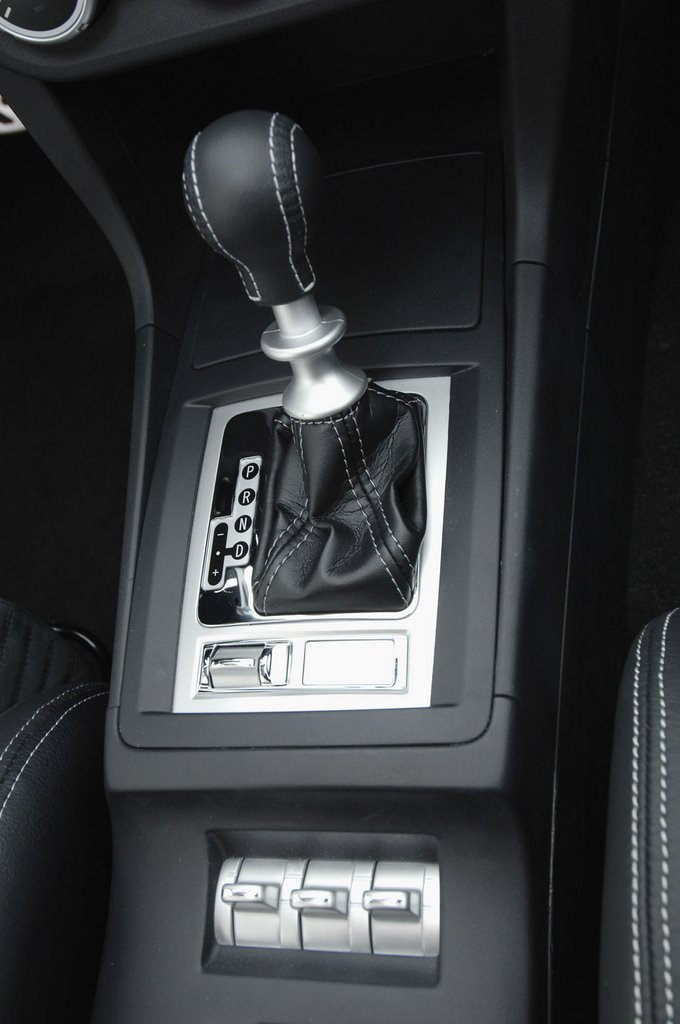
The big news here is without doubt, the EVO X’s all-new 6speed dual-clutch automated manual transmission, or to put it simply, Mitsubishi’s version of Audi-VW’s renowned clutchless DSG gearbox that bears the name “SST”. If you’ve driven an Audi or a VW with this kind of gearbox, you’ll know what we’re talking about, if not, an automated manual transmission allows drivers to choose between fully automated and manual gearbox changes.

Difference is that, compared to semi-automatic transmissions, dual-clutch gearboxes permit drivers of all abilities to shift rapidly through the gears (without the use of a clutch of course) faster than any manual gearbox. To be honest though, it does take out all the fun and personally, I prefer the engaging mechanical feel that you get out of a classic manual gearbox. But anyway, like other dual-clutch transmissions, Mitsubishi’s SST lets the driver to switch between three shifting programs - Normal, Sport and S-Sport - covering the full range of driving situations, from town use to sporty motoring on open roads.

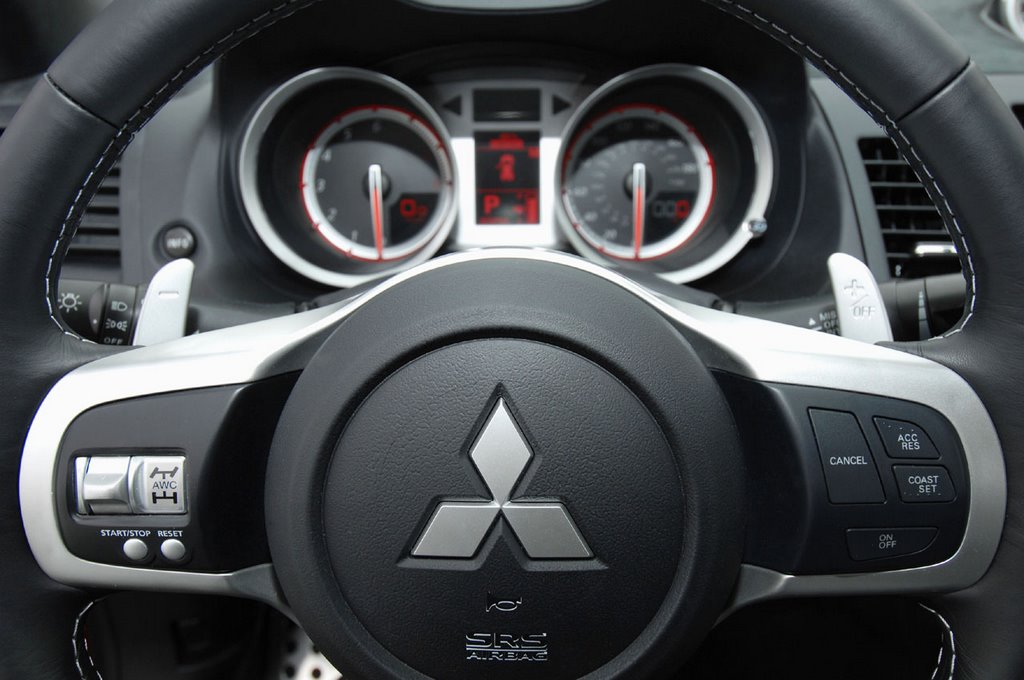
As for the Lancer EVO X’s revised vehicle-dynamic system dubbed S-AWC, the difference is the addition of an ASC (Active Stability Control) feature to the ACD (Active Center Differential), AYC (Active Yaw Control) and Sport ABS (Sport Antilock Brake System) which permits the system to control each wheel under a wide range of driving conditions. -Detailed press release and images after the jump

PRESS RELEASE

Mitsubishi Motors Develops S-AWC Vehicle Dynamics Control System & Twin Clutch SST Automated Manual Transmission

July 10, 2007 – Tokyo: Mitsubishi Motors Corporation has developed two new component systems that are expected to feature in the new Lancer Evolution, due to be launched this autumn. S-AWC (Super All Wheel Control) is an advanced vehicle dynamics control system that regulates drive torque at each wheel. Twin Clutch SST (Sport Shift Transmission) is an automated manual transmission that delivers slicker shifting through the gears while freeing the driver from the need to operate the clutch.

In line with its corporate philosophy, Mitsubishi Motors strives to deliver a dynamic driving experience while making advances to keep drivers safe. Twin Clutch SST and S-AWC do so by making driving more intuitive. Both the systems work to efficiently distribute power appropriate to road conditions, and deliver outstanding control and stability maintained by an "intelligent" system that reads and reflects driver intent in real time.

S-AWC:

The system now adds an ASC*1 (Active Stability Control) feature to the ACD*2 (Active Center Differential), AYC*3 (Active Yaw Control) and Sport ABS*4 (Sport Antilock Brake System) components that have proven themselves in the Lancer Evolution series. Integrated system management of these four components allows regulation of torque and braking force at each wheel. S-AWC also now employs yaw rate feedback control. This allows the system to control each wheel under a wide range of driving conditions, thus realizing vehicle behavior that faithfully reflects driver inputs and allows drivers of all abilities to enjoy sporty motoring with confidence.

Twin Clutch SST:

MMC's new automated manual transmission employs dual clutches to realize power transmission efficiencies on a par with a normal manual gearbox while also allowing slick and swift shifting. Allowing drivers of all abilities to shift rapidly up and down through the gears, Twin Clutch SST delivers satisfying acceleration while also returning superior fuel mileage thanks to its high-efficiency power transmission mechanism. The new transmission also features three operating modes tailored to different situations: from around-town drivability to instant-response and follow-the-line sporty motoring on the open road.


1.S-AWC (Super All Wheel Control)

System overview

The S-AWC vehicle dynamics control system integrates management of all its AYC, ACD, ASC and Sport ABS components (see below) while adding braking force control to Mitsubishi Motors' own AYC system. As a result S-AWC elevates drive power, cornering performance as well as vehicle stability under all driving situations, from everyday motoring to emergency evasion maneuvers.

ACD (Active Center Differential)

The Active Center Differential incorporates an electronically-controlled hydraulic multi-plate clutch. The system optimizes clutch cover clamp load for different driving conditions, regulating the differential limiting action between free and locked states to optimize front/rear wheel torque split and thereby producing the best balance between traction and steering response.

AYC (Active Yaw Control)

AYC uses a torque transfer mechanism in the rear differential to control rear wheel torque differential for different driving conditions and so limit the yaw moment that acts on the vehicle body and enhance cornering performance. AYC also acts like a limited slip differential by suppressing rear wheel slip to improve traction. The first component of its type, AYC was first used in the Lancer Evolution IV launched in April 1996. It then took an evolutionary step forward in the Lancer Evolution VIII launched in January 2003 as the Super AYC when it switched from the use of a bevel gear to a planetary gear differential, thereby doubling the amount of torque it was able to transfer. In comparison to the system used in the Lancer Evolution IX, AYC now features yaw rate feedback control using a yaw rate sensor and also gains braking force control. Accurately determining the cornering dynamics on a real-time basis, the system operates to control vehicle behavior through corners and realize vehicle behavior that more closely mirrors driver intent.

ASC (Active Stability Control)

The ASC system stabilizes vehicle attitude while maintaining optimum traction by regulating engine power and the braking force at each wheel. Taking a step beyond the previous generation Lancer Evolution, the fitting of a brake pressure sensor at each wheel allows more precise and positive control of braking force. ASC improves traction under acceleration by preventing the driving wheels from spinning on slippery surfaces. It also elevates vehicle stability by suppressing skidding in an emergency evasive maneuver or the result of other sudden steering inputs.

Sport ABS (Sport Anti-lock Braking System)

ABS allows the driver to maintain steering control and keeps the vehicle stable by preventing the wheels from locking under heavy braking or when braking on slippery surfaces. The addition of yaw rate sensors and brake pressure sensors to the Sport ABS system has improved braking performance through corners compared to the Lancer Evolution IX.

S-AWC control system

The use of engine torque and brake pressure information in the regulation of the ACD and AYC components allows the S-AWC system to determine more quickly whether the vehicle is accelerating or decelerating. S-AWC also employs yaw rate feedback for the first time. The system helps the driver follow his chosen line more closely by comparing how the car is running, as determined from data from the yaw rate sensors, and how the driver wants it to behave, as determined from steering inputs, and operates accordingly to correct any divergence. The addition of braking force regulation to AYC's main role of transferring torque

between the right and left wheels allows S-AWC to exert more control over vehicle behavior in on-the-limit driving situations. Increasing braking force on the inside wheel during understeer and on the outer wheel during oversteer situations, AYC's new braking force control feature works in concert with torque transfer regulation to realize higher levels of cornering performance and vehicle stability.

Using integrated management of the ASC and ABS systems allows S-AWC to effectively and seamlessly control vehicle dynamics when accelerating, decelerating or cornering under all driving conditions. S-AWC offers three operating modes: TARMAC for dry, paved surfaces; GRAVEL for wet or unmade surfaces, and SNOW for snow covered surfaces. When the driver selects the mode best suited to current road surface conditions S-AWC operates to control vehicle behavior accordingly and allow the driver to extract the maximum dynamic performance from his vehicle.


2.Twin Clutch SST (Sport Shift Transmission)

The mechanism

Twin Clutch SST puts odd (1st, 3rd, 5th) and even (2nd, 4th and 6th) gears on separate input shafts, each connected to an individual clutch. With both clutches under precise system control, this arrangement allows lightening-fast, smooth and lag-free gear changes with no interruption in power delivery. Using clutches instead of a torque converter to transmit power makes the Twin Clutch SST simpler in structure and reduces power transmission losses for higher transmission efficiency that leads to improved fuel mileage.

Drive modes

Twin Clutch SST allows the driver to switch between three shifting programs - Normal, Sport and S-Sport - to cover the full range of driving situations, from town use to sporty motoring on open roads.

a. Normal mode

For use around town and other normal driving situations, Normal mode scheduling uses relatively low-speed shift points to deliver unobtrusive shifting for maximum comfort together with optimum fuel economy.

b. Sport mode

For use when driving in the mountains or when engine braking is required, Sport mode scheduling uses higher shift points and quicker shifting to deliver instant throttle response that instills in the driver a closer man/machine relationship.

c. S-Sport mode

Compared with Sport mode, S-Sport mode scheduling keeps the engine turning at higher revs while allowing lightening-fast shifting.

2008 Mitsubishi Lancer Evolution X Production Version Images Released!

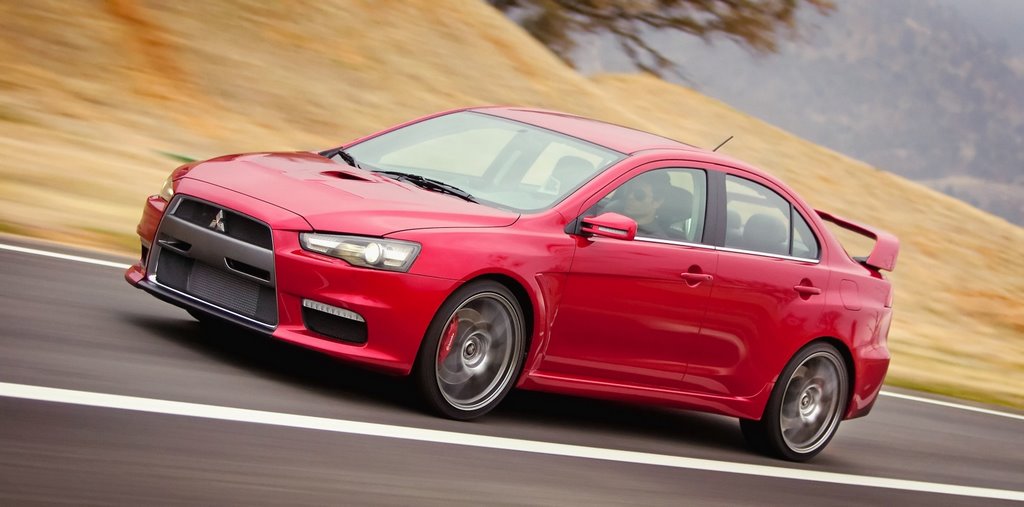
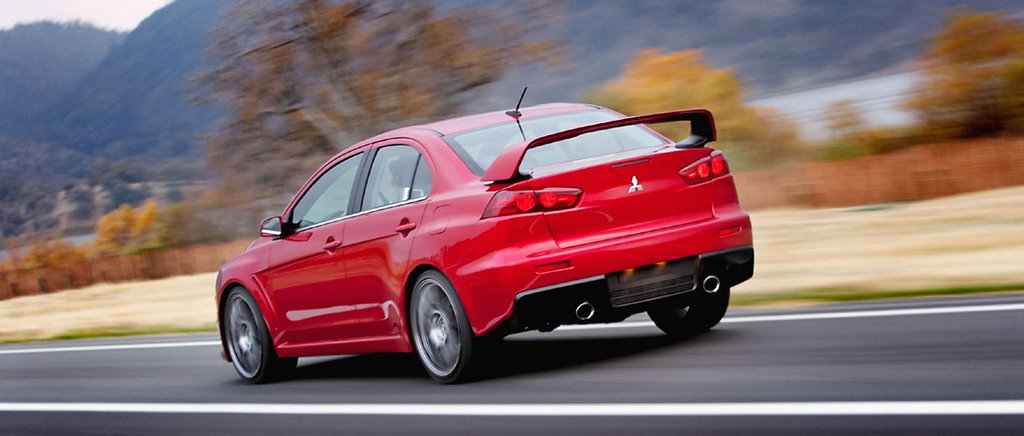
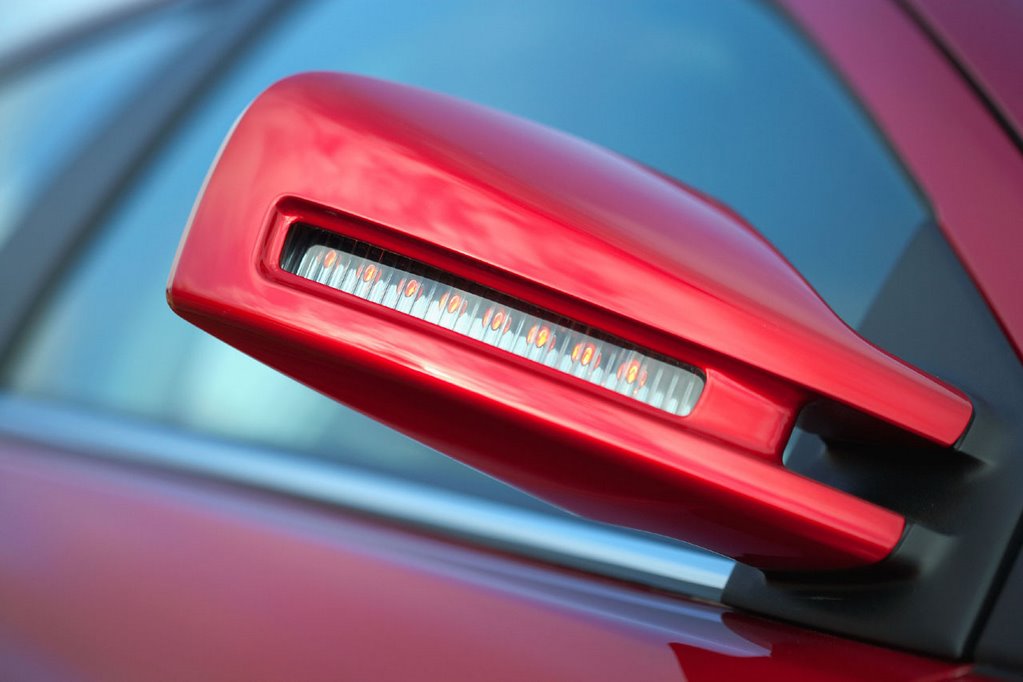
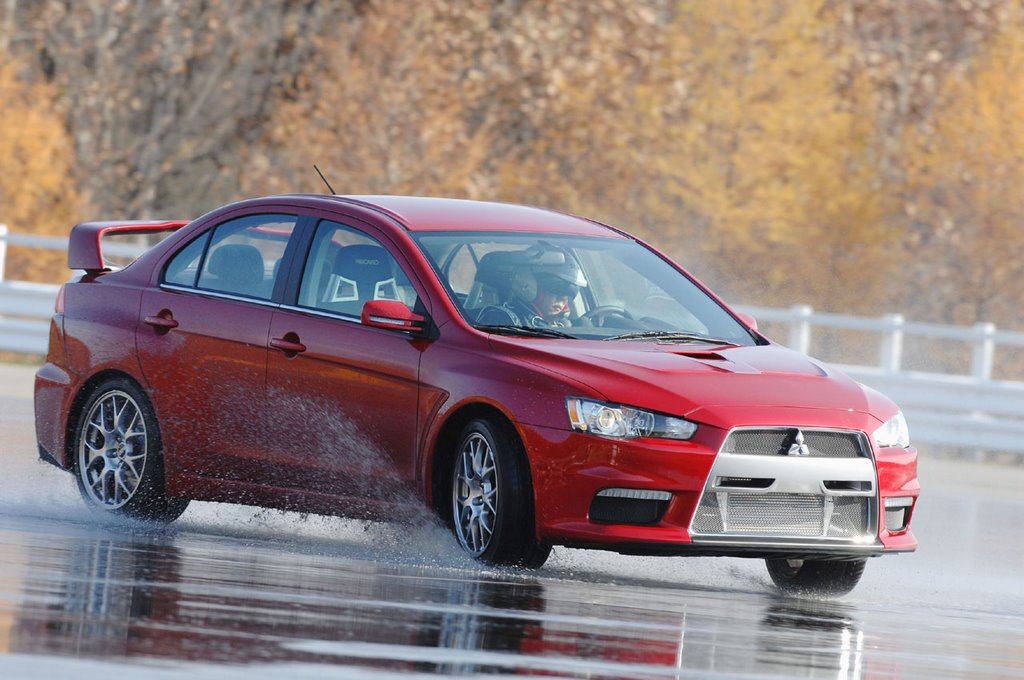
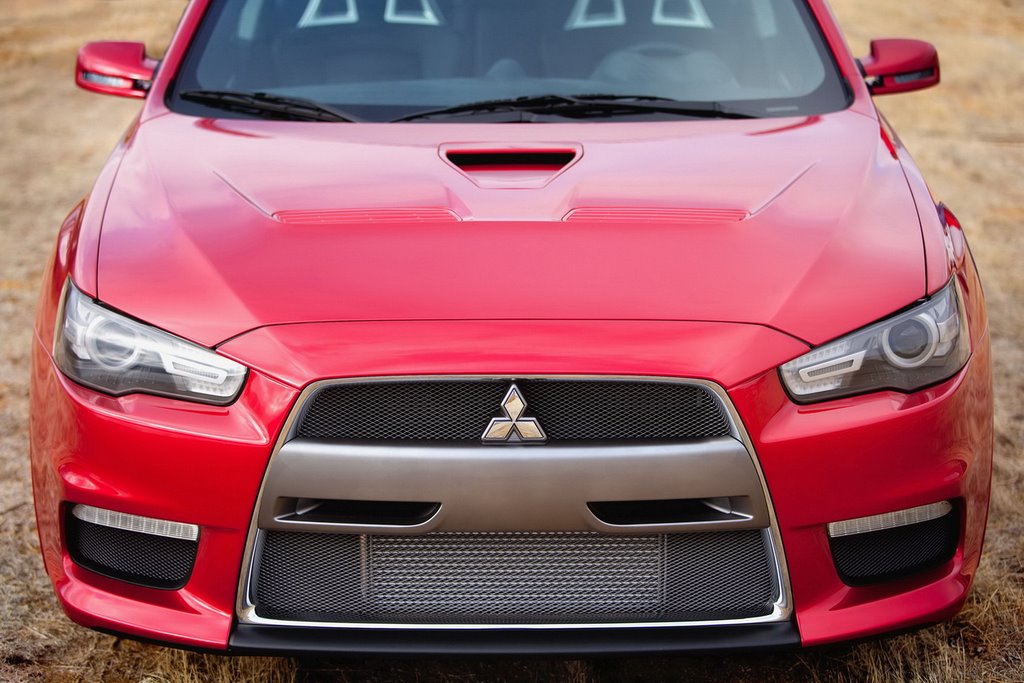
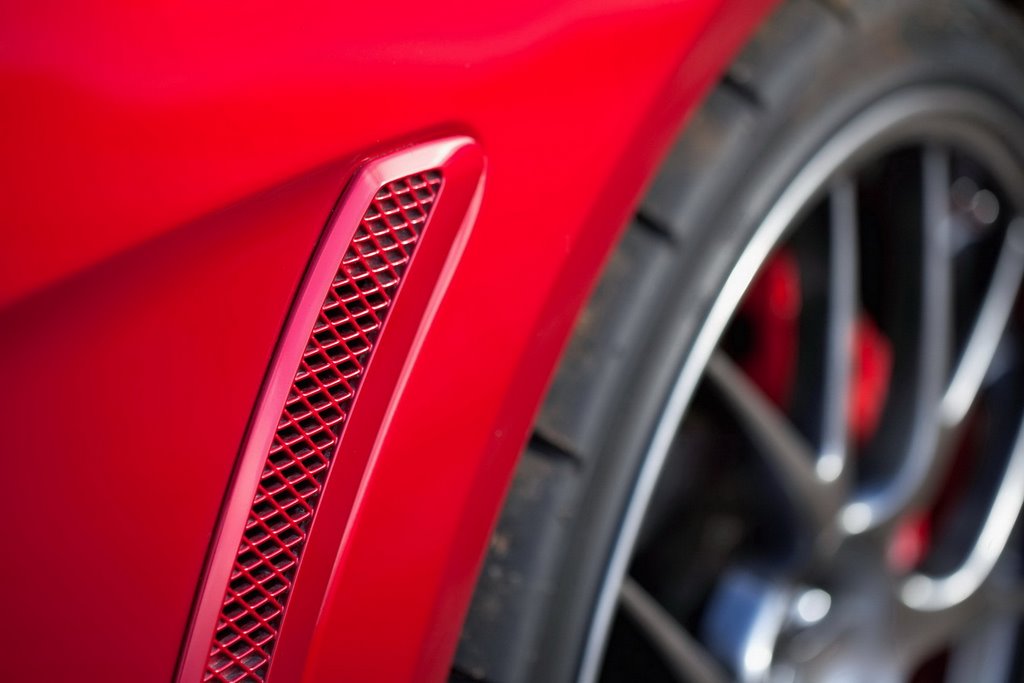
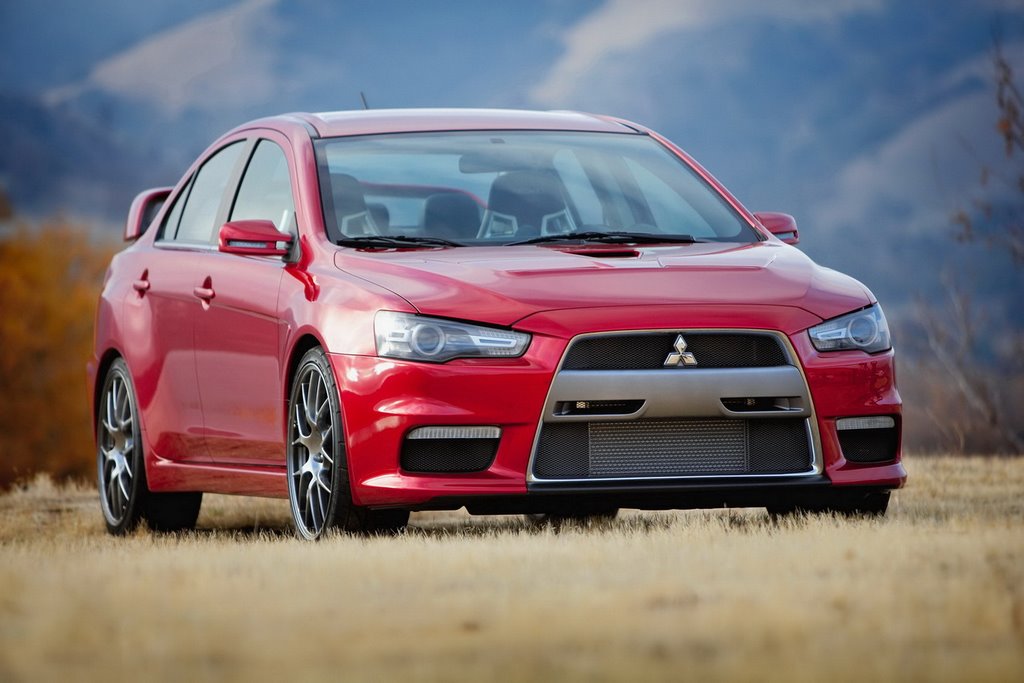
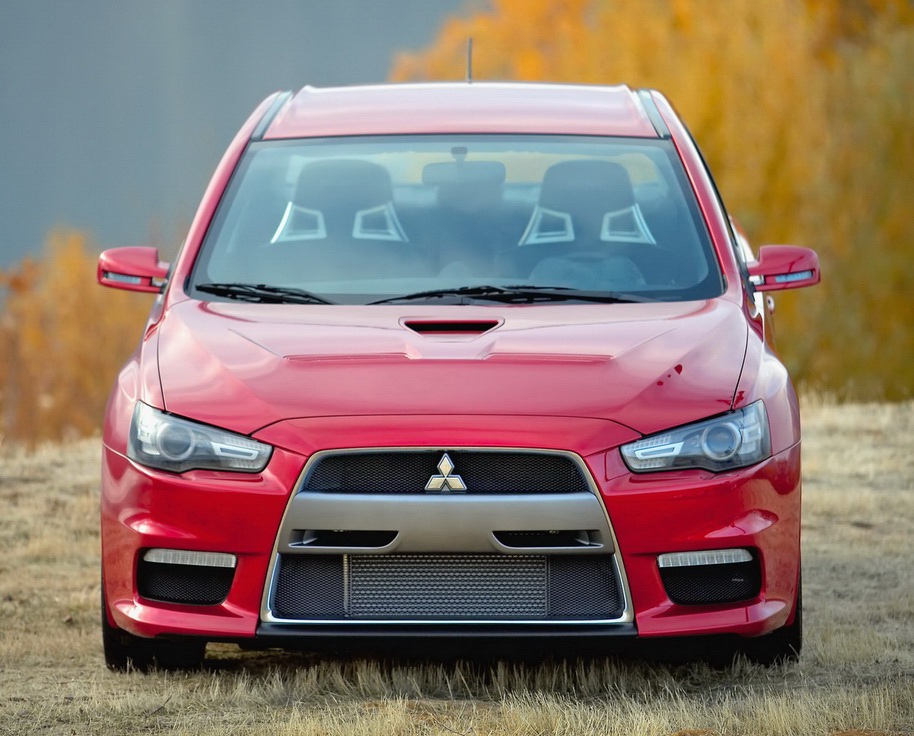
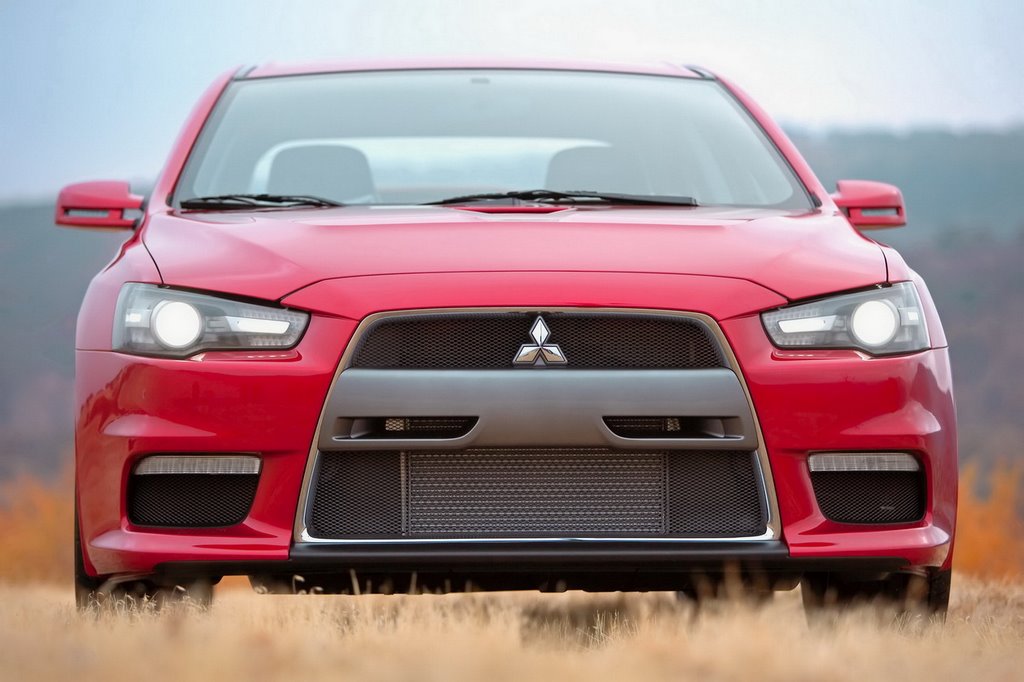
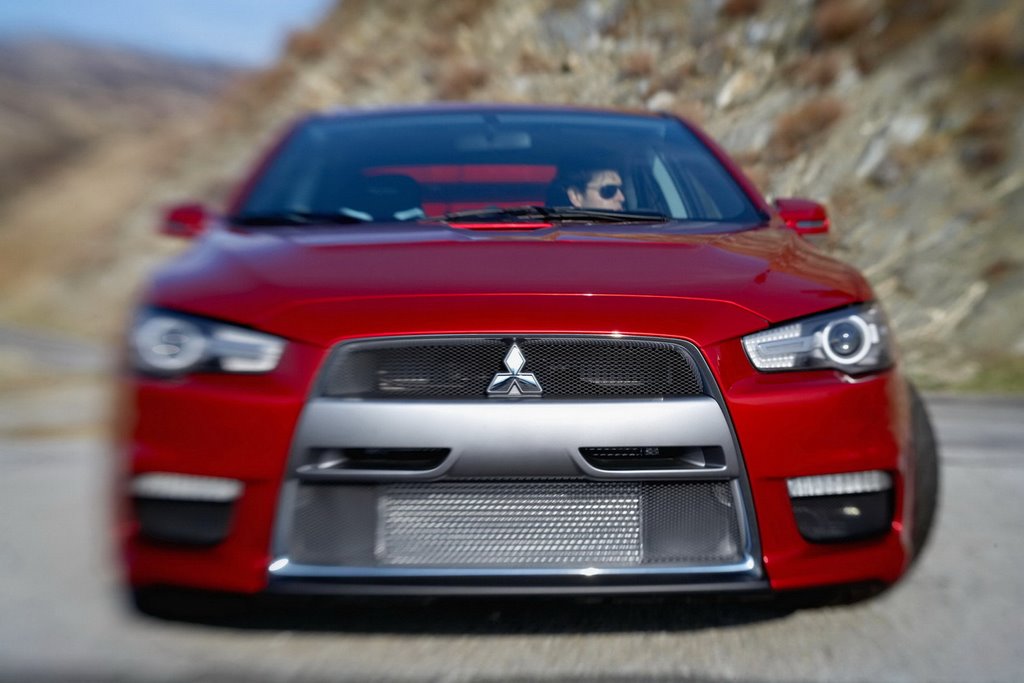
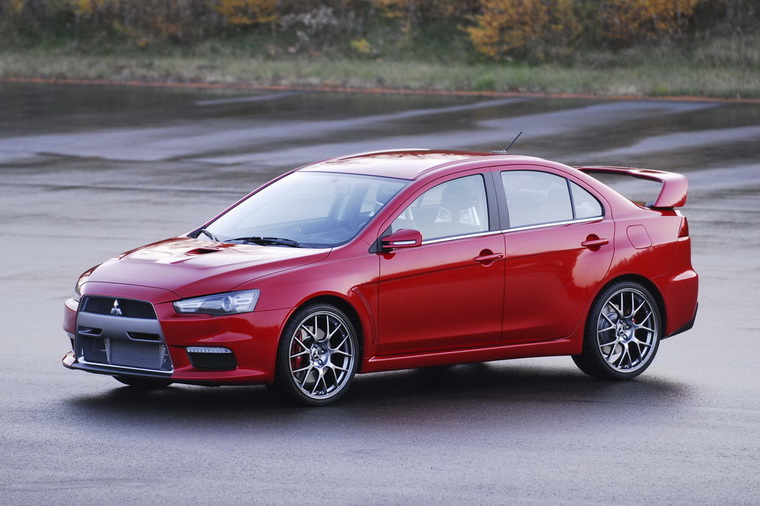
Enough with the prototypes and the pre-production concepts, this is it, the moment all we waste-gate lovers have been waiting for: the production version of the Mitsubishi Lancer Evolution X! You don’t even have to read Mitsubishi’s teaser press-release announcing the Japanese market release of the Evo X and its Galant Fortis counterpart to see it. All you need is to just take a look at the pictures. Out go the concept’s high-tech LED turn signals in the sideview mirrors, the futuristic light-inserts and the 20-inch alloys, in come stock headlights, tail-lamps, mirrors and 18-inch rims in 245/40 R18 tires.

And that’s about all the changes you’ll find in comparison with the Detroit Concept in concern of the EVO’s exterior appearance. Even though we lusted the first-gen concept’s more muscular looks, seeing the latest version of the Subaru Impreza WRX, puts our feet to the ground and draws a huge smile on our face. We’re absolutely fine with it. Mitsubishi hasn’t released any interior images or specs but we’re confident that they won’t disappoint us when thy fully release the EVO (it will be called Lancer Evolution in other markets) this fall at the Frankfurt Show in September. Expect the new 2.0-liter turbocharged engine to have an output of around 300Hp. –Click “Read More..” below for the Press Release and a High-Res image gallery


Mitsubishi Motors announces The names of two models due for Japan domestic market release this fall

- "GALANT FORTIS" sedan & "LANCER EVOLUTION X" high-performance 4WD sedan -

Tokyo, 26 April, 2007 - Mitsubishi Motors Corporation has announced the names of two new models. The U.S.-market Lancer will be renamed "GALANT FORTIS" for the Japan domestic market. Also, Mitsubishi's rally-inspired, high-performance 4WD sedan will carry the name "LANCER EVOLUTION X" .

The development concept for the new Galant Fortis*1 calls for a "new-generation global sedan with world-class levels of safety, environmental performance and comfort". Distinguishing features include: a high-rigidity platform that delivers excellent crashworthiness; a that delivers high power output and returns excellent fuel efficiency; exterior styling that imparts a broad stance and sporty lines; and a spacious, well-appointed cabin.

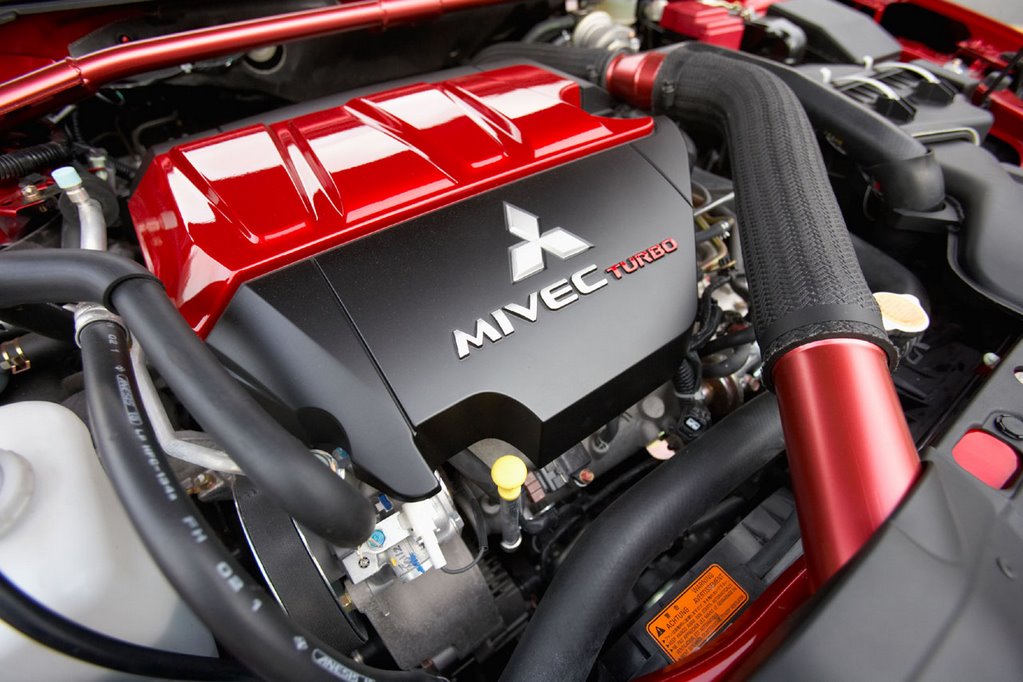
The development concept for the all-new Lancer Evolution X*2 specifies a "new-generation high-performance 4WD global sedan that allows all levels of driver to enjoy the car's speed and handling with ease and in safety". The new model features Mitsubishi's S-AWC*3 traction and handling system, that integrates the control of drive torque and braking management with the four-wheel drive system to help realize highly responsive and intuitive handling in addition to outstanding vehicle attitude stability. Other examples of Mitsubishi Motors' latest automotive technology to be featured in the new model include a new lightweight and high-performance 2.0-liter turbocharged MIVEC*4 engine with aluminum cylinder block and a 6-speed automated manual transmission that contributes to exceptional performance with improved fuel economy. The performance-driven design makes the car's extreme potential clear, while cockpit design focuses the driver's attention on operating his machine.

1 -Latin for strong, steadfast, courageous.
2 -X" ("Ten") stands for the tenth iteration of the Lancer Evolution released on the Japan domestic market. (In other markets the car will be called "LANCER EVOLUTION".)
3 -Super All Wheel Control

4 -Mitsubishi Innovative Valve timing and lift Electronic Control System: Mitsubishi Motors variable valve system

Technorati: Mitsubishi+Lancer, Mitsubishi+Lancer+Evolution+X, Japan, automobile, cars, automotive, vehicles, autos, Carscoop, blogs, 2007, images, pictures

One for the kids: Baby Mitsubishi Lancer EVO X!

If you liked the MINI-SX (Honda Beat NSX lookalike) then your surely going to love the midget version of the Mitsubishi Prototype X that was shown right next to the real thing at the Tokyo Auto Salon (12 to 14th of January). According to Nihoncarandbike, the Baby EVO X is drivable as its equipped with 4 small seats and an engine. Now, wouldn’t you agree that this would make one hell of a “kei” car? Via: Nihoncarandbike

Technorati : Mitsubishi+Prototype+X, Mitsubishi+lancer+EVO, Tokyo+Auto+Salon, gadgets, auto+news, car+news, automobile, cars, automotive, vehicles, Carscoop, blogs, 2007, pictures, images

EVO powered Sports Coupe: The 350-500Hp X Works Automotive X1 Sportscar

Now don’t tell me that the front end doesn’t remind you of the latest EVO X concept, the Prototype X. And why shouldn’t it as the X1 Sportscar is not only made by Mitsubishi Lancer Evo tuner specialist, X-Works Automotive (based in the UK) but it’s also fitted with the an EVO derived 2.0-litre turbocharged engine available in various versions producing from 350 to 500Hp.

Unfortunately, like its Subaru-powered, 350Hp Prodrive P2 Coupe stablemate that was unveiled early last year (click here for pictures to refresh your memory ) the X1 looks like it was made by people who’re addicted to LEGOs. Of course that's nothing that a little "EVO" magic can't solve. Via: Jalopnik


PRESS RELEASE: We are delighted to announce that our X Works Automotive Concept X1 Sportscar will be available for viewing in our Xtreme showroom from Friday 19th January 2007 until Sunday 21st January, opeing times will be Friday / Saturday 9.00am - 5.00pm and Sunday 11.00am - 4.00pm. The car has been developed over the last 30 months by X-Works Automotive with Xtreme Automobiles Ltd being the first dealer appointed in the UK. The X1 Concept Car uses a unique carbon composite technology for the manufacture of the cars passenger cell. Attached to this are lightweight aluminium and carbon subframes carrying the drivetrain components.

The composite technology provides an incredibly stiff platform and also helps keep the cars weight down to a lightweight 1180kg. Combined with the race honed chassis and phenomenal 4 cylinder turbo charged 350 bhp engine, this provides truly electrifying performance. Tuning options of up to 500 bhp are of course available, Recaro CS seats are fitted as standard. There is also a 1000 kg competition version planned for those increasingly popular track days or outright competition use. The cars designers, Andrew Borrowman and Sean Prendergast, studied Automotive Design Engineering at the University of Hertfordshire, following which they worked at Rover, Panther Cars and Grand Prix Engineering Services between them. They have also run their own composites company designing and manufacturing for the likes of Prodrive, Alvis and JCB, just to name a few.


Projected retail price for the X1 is £45,000 and i'm sure you must agree, this is tremendous value, given the technology and performance this sportscar offers. For those unable to visit us over the weekend of the 19th January 2007 for a close up and personal viewing, the X1 concept car will be on display on the Recaro stand at the Autosports International Show at the NEC, from the 11th to 14th January 2007.
  • Concept Specification :
  • 2 Seat Concept
  • Carbon Tub
  • Aluminium Subframes and Suspension
  • 2 Litre Turbo Charged 350-500 BHP
  • 4 Wheel Drive
  • 18" Lightweight Alloys with 235/40 Tyres
  • 1180kg Road Car
  • 1000kg Track Car

Technorati: X+Works+Automotive+X1+Sportscar, Mitsubishi+Lancer+EVO, auto+news, car+news, automobile, cars, automotive, vehicles, Carscoop, blogs, 2007, pictures, images

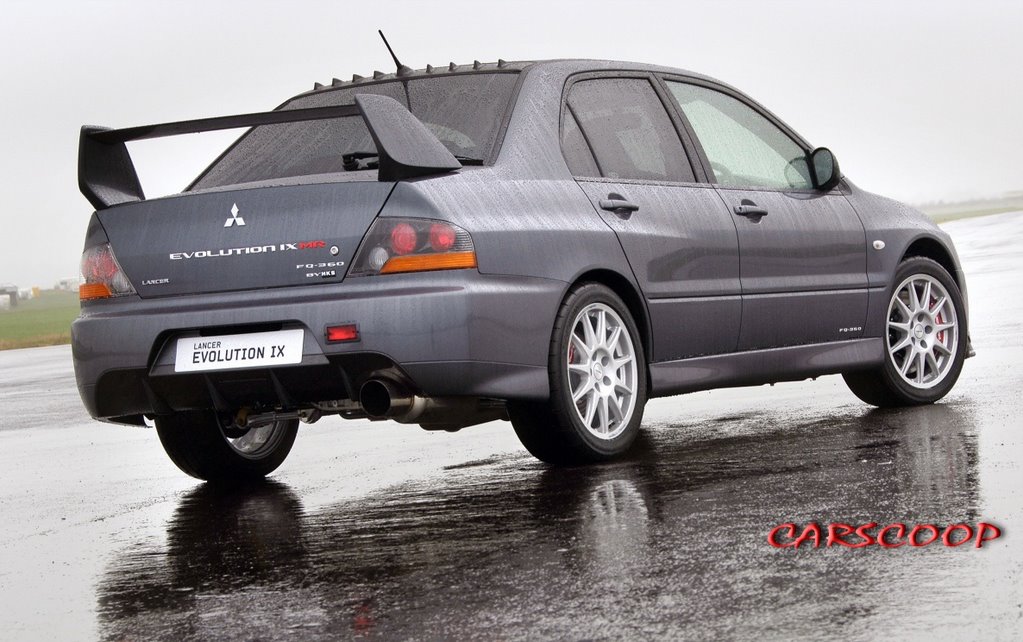
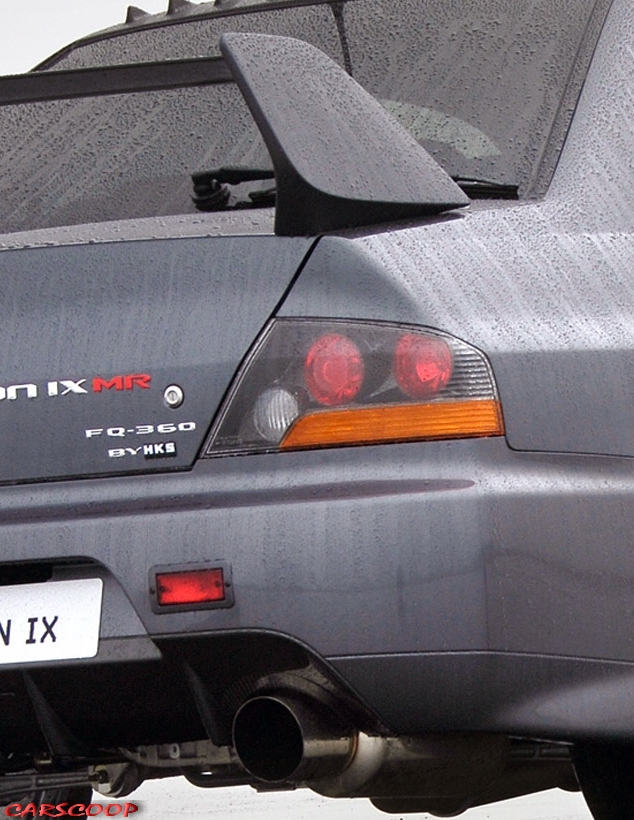
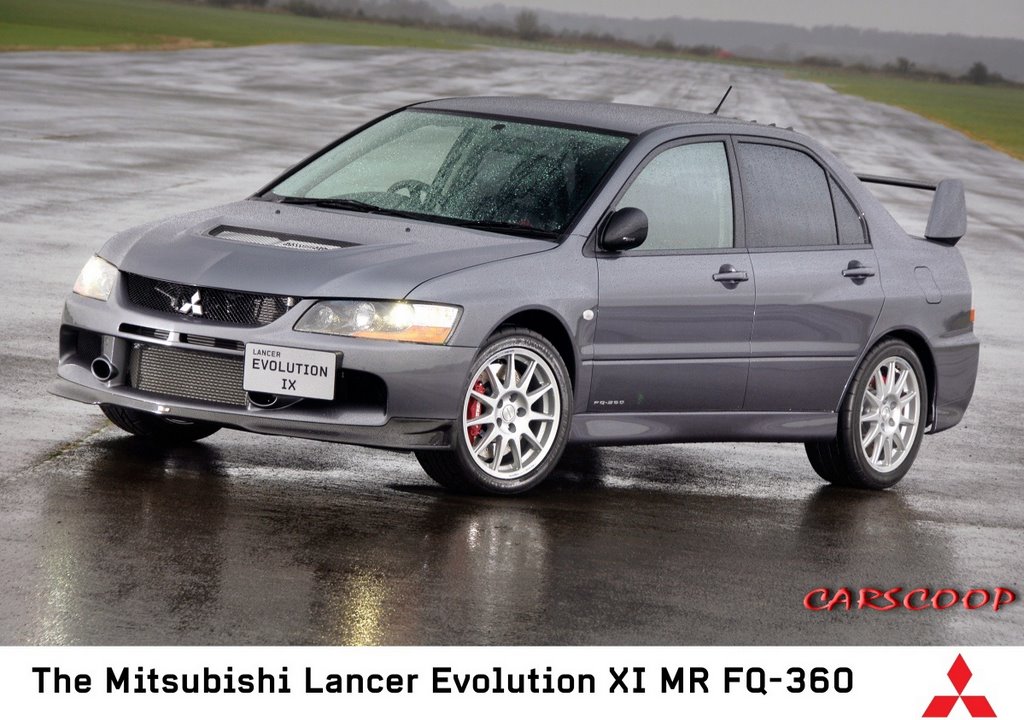
Mitsubishi Lancer Evolution IX MR FQ-360: EVO ends its UK career with a 366Hp limited edition version

A word of advice to all you EVO-lovers out there in the UK: If you want an EVO and you have the dough, just go and buy this one and forget you even heard about the Lancer EVO X that’s coming in 2008. The Lancer EVO IX is definitely going to go down as one of the greatest cars of all time, a sure classic of the future. What else do you need; this one gets a Ralliart kit and a blistering 366Hp -good enough for a 0-60mph time in 3,9 sec! Damn, I really want one…

Press Release: Mitsubishi Motors UK has unveiled the final edition of the current generation Lancer Evolution supercar. Just one version of the new Evolution IX MR (‘Mitsubishi Racing’) will be available, powered by a 366bhp version of Mitsubishi’s 2.0-litre turbo engine. 200 units of the Evolution IX MR FQ-360 are now available from Mitsubishi Ralliart dealers, priced from £34,539.

Subtle changes to the specification of the 1997cc 4-cylinder 4G63 twin scroll turbo engine have created a car that delivers an even higher level of performance. True to Mitsubishi’s philosophy of providing “overall driving quality”, the engineers in Japan have made subtle modifications to the turbocharger. The introduction of titanium aluminium alloy turbo fins and reduction in the compressor wheel inlet diameter have improved the engine’s response throughout the rev range.


W
hen the cars arrive in the UK, further engine development work is carried out by Mitsubishi Motors UK’s tuning division, Ralliart, and the independent specialists, HKS. An HKS tuning kit delivers 366bhp at 6887rpm and 363lb ft (492Nm) of torque at 3200rpm. Mitsubishi’s MIVEC variable valve timing technology further enhances the engine’s efficiency, combining improved response with a 3% reduction in fuel consumption.

The Lancer Evolution FQ-360’s performance underlines its reputation as the most affordable supercar on the road. This is a practical, five-seater saloon car that can sprint from 0-60mph in just 3.9 seconds and on to an electronically limited top speed of 157mph. By comparison, the Porsche 911 Carrera 4S, which costs almost twice as much, takes 0.9 seconds longer to reach 60mph from rest.

The engine upgrades are accompanied by subtle but effective changes to the ‘Evo’s’ MacPherson strut front and multi-link rear suspension. Eibach springs have been introduced to complement the Bilstein shock absorbers. These new springs lower the ride height by 10mm at the front and 5mm at the rear, which enhances the car’s high speed stability and allows the Super Active Yaw Control (Super AYC) system to function more effectively. The latter has also been improved to provide a greater distribution of power between the rear wheels, increasing traction, especially on loose surfaces. Mitsubishi’s electronically-controlled four-wheel drive system (4WD) is carried over unchanged.


The aesthetic changes are modest and functional. A new carbon fibre front lip spoiler has been developed to provide additional downforce and improve high speed stability. A rear carbon fibre vortex generator comes fitted as standard. The 11-spoke Speedline Turini alloy wheels are also new and mimic those fitted to Mitsubishi’s tarmac spec rally car. The Yokohama ADVAN AO46 235/45 ZR17 tyres are carried over unchanged, while the Brembo braking system ensures that the Evolution IX MR has the stop to match its go.


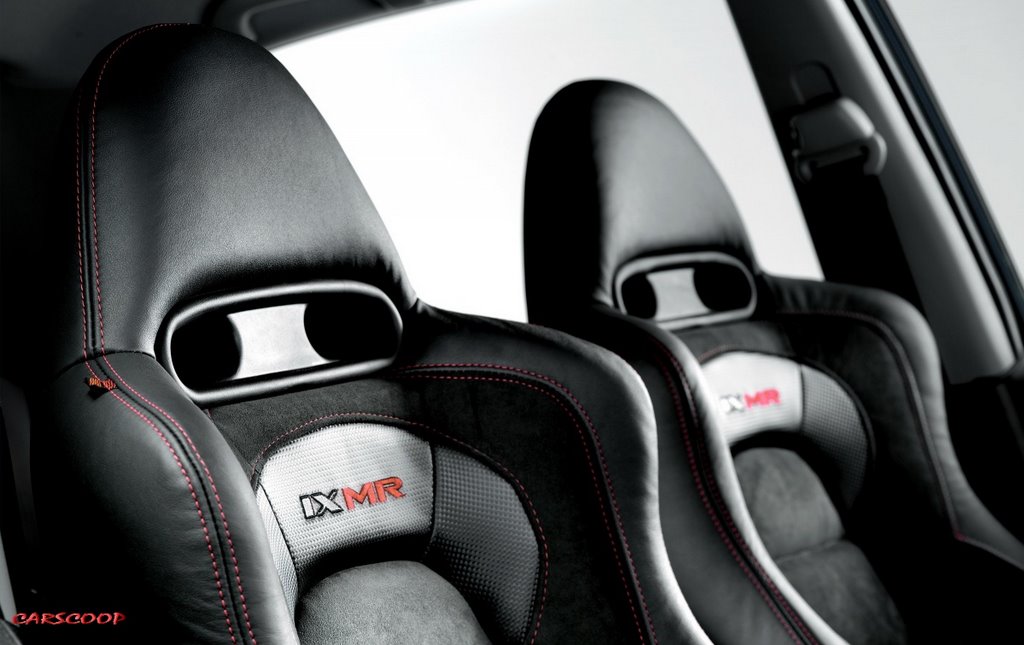
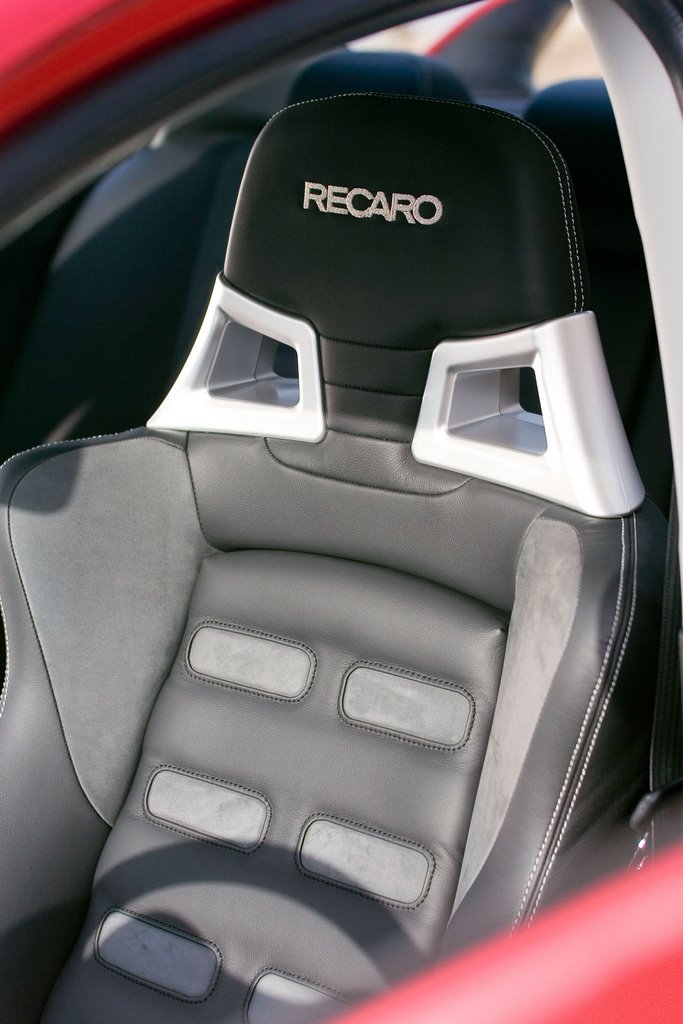
The changes inside are equally subtle. Automatic headlights and privacy glass are introduced for the first time, the seats have been redesigned with ‘IX MR’ motifs, the dashboard panel is now finished in ‘Piano Black’ and there are ‘Lancer EVOLUTION’ aluminium scuff protectors on the door frames. Enthusiasts will be delighted to hear that the rally-bred Recaro seats and exquisite Momo steering wheel remain present and correct.

The Lancer Evolution has always been a thoroughly practical, everyday car, and the final edition is no exception. The cabin can seat five in comfort and the boot has a capacity of 530 litres. It is also comprehensively equipped with air-conditioning, electric windows and mirrors, remote central locking and CAT 1 alarm included in the specification.

  • Key Features
  • Final edition of the current legendary Lancer Evolution supercar
  • On-sale now priced from £34,539
  • 1997cc turbo engine modified with ECU remap and HKS tuning pack (racing suction pipe, intercooler piping kit, stainless steel down pipe, super dragger exhaust system, high pressure fuel pump assembly, sports cat)
  • New turbo with titanium aluminium alloy turbo fins and reduction in compressor inlet diameter
  • MIVEC variable valve timing
  • Tuned for driveability: 366bhp@6887rpm and 363lb ft@3200rpm
  • 0-60mph 3.9 seconds, electronically limited to 157mph
  • 17in, 11-spoke Speedline Turini alloy wheels mimic tarmac-spec rally car
  • Redesigned carbon fibre front lip spoiler improves aerodynamic efficiency
  • Rear carbon fibre vortex generator
  • Subtle interior revisions include introduction of ‘Piano black’ fascia inserts and aluminium scuff protectors in the door frames
  • Comprehensive luxury specification includes climate control, leather/Alcantara trim, Recaro seats, Momo steering wheel
  • Automatic headlights and privacy glass introduced for the first time
  • Spacious five seater with 530litre boot capacity offering everyday practicality
  • Eibach springs introduced to complement Bilstein shock absorbers. Car lowered by 10mm at the front and 5mm at the rear for improved stability
  • Uprated Super Active Yaw Control (Super AYC) system
  • Brembo brakes and electronically-controlled 4WD system unchanged
Technorati: Mitsubishi+Lancer+Evolution+IX+MR+FQ-360, auto+news, car+news, automobile, cars, automotive, vehicles, Carscoop, blogs, 2007, pictures, images

Detroit Auto Show: Mitsubishi Prototype X or… the 2008 Lancer EVO X


Long live the new king: Here’s the 2008 Mitsubishi Lancer EVO X. You heard us. Wipe out that “Prototype X” name out of your head cause what you see –apart from a few minor details like the LED lamps, is what you’ll get a few months after the official unveiling of the production version at the Tokyo Show in October.

Albeit its design is toned down in comparison to the 2005 EVO X Concept, the new EVO is without doubt, a much prettier thing to look at –in or out. Under its new skin, the EVO X or Prototype X if we must (...), showcases an all-new 2.0-liter turbocharged engine and a new high performance all-wheel-drive system called Super-All Wheel Control (S-AWC). It also previews a new paddle-shift automated manual transmission that will be offered in the Lancer Evolution for the first time. -Continued: Click “Read More…” below to see the official press release and a high-res gallery


PRESS RELEASE

Coming Soon: Evolution Revolution: The Lancer Evolution has long lived up to its namesake by greatly improving with each successive generation. (Lancer Evolution VIII was the first to be offered in the U.S. market.) As Prototype X demonstrates, the Lancer Evolution will soon make perhaps the largest leap in overall capability seen between two generations of this model. The next Evolution will offer major gains in handling dynamics and technology while maintaining the kind of thrilling turbo engine performance that has made the model a street legend around the world.

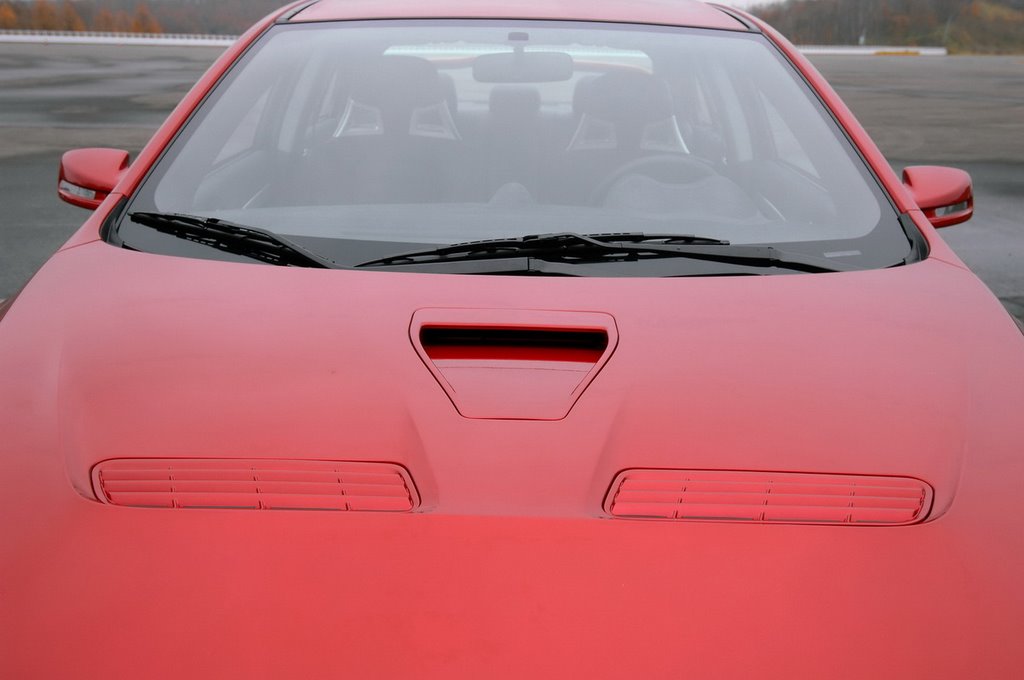
Although clearly based on the new Lancer and sharing its distinctive shark-nose grille opening, Prototype X features a unique front end, rear fenders and decklid. Making a maximum-performance statement, Prototype X looks the part of the street-wise sports machine with its boxed fenders, aggressively sloping hood with integral air scoop, 20-inch alloy wheels with massive brakes and the high-tech LED turn signals in the sideview mirrors.

Inside, the deeply contoured bucket seats are upholstered in high-grip Alcantara. An electronic lap counter hints at the car's weekend club racer capability, while the red LED light band that spans the doors and the dash surface might suggest a customizing idea to future customers. The user technology in Prototype X previews what will be available for the next Lancer Evolution. While not all design features and content seen on Prototype X will make it to the production vehicle, the overall design will carry through.


Next-Gen Evolution Power: The engine powering Prototype X - and the next Lancer Evolution - is a turbocharged version of the new aluminum 4B11 2.0-liter DOHC MIVEC engine used in the 2008 Lancer. It will yield the highest power rating ever in an Evolution model. (Since development continues, final engine output figures will be revealed at a later date.) Significantly, the newest Lancer Evolution will have less differentiation from market to market than the previous generations.

The new model's aluminum engine block is a significant 20 kg (53.4 lbs.) lighter than the iron-block 4G63 engine used in all previous Evolution models, which aids weight distribution. In addition, its orientation (exhaust located on bulkhead side) allows for improved placement that helps to lower the center of gravity. Although the new Evolution engine block is lighter, it was designed from the outset for high-performance turbocharged applications. High inherent strength has been achieved partly through over-engineering of the open deck block, and the use of large water jackets and metal areas around each siamesed cylinder bore. The reciprocating assembly of the turbocharged 4B11 is capable of withstanding high levels of boost.

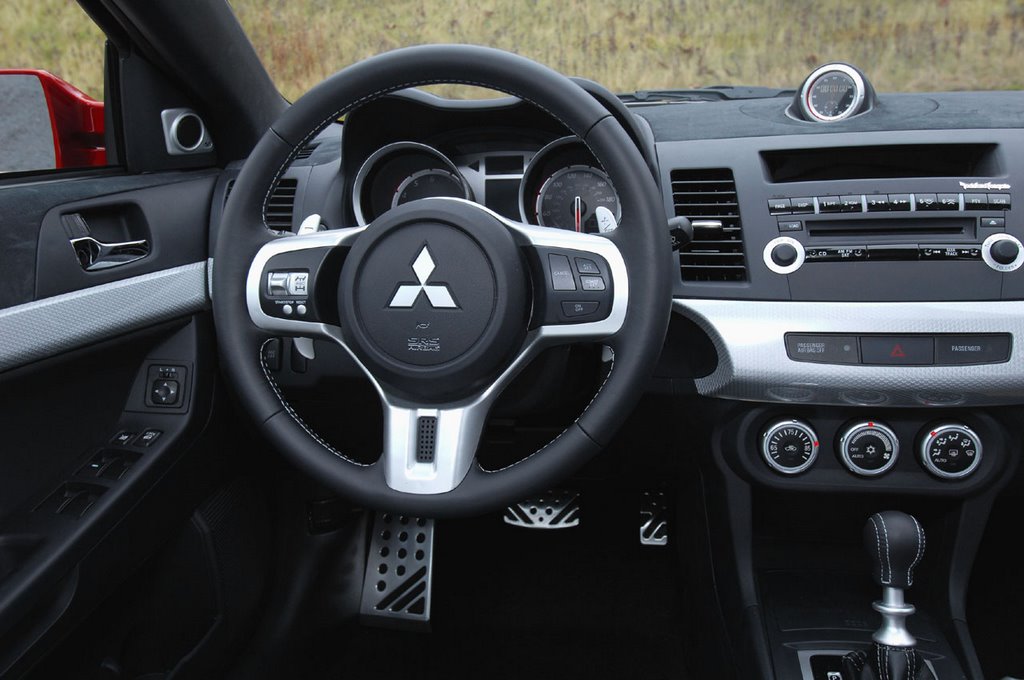
Automated Manual Transmission: Prototype X is equipped with the automated manual transmission with magnesium steering wheel paddle shifters that will be available on the next Lancer Evolution. This new transmission will offer lightning fast, paddle-shift actuated shifting when desired, along with offering a fully automatic mode. This unit is not a conventional torque-converter automatic transmission, but rather a true auto-capable manual similar to that used on some of the world's most notable performance models. For stick shift purists, the next Lancer Evolution will still offer a conventional 5-speed manual transmission. With the 4B11 turbo engine's stronger torque performance, a 5-speed will provide optimal acceleration response.


Super All Wheel Control (S-AWC): The next Lancer Evolution, while still providing the levels of engine performance that appeal to this model's loyal core customers, will expand dynamic capability with the new Super All Wheel Control (S-AWC) system. Combining intelligent full-time four-wheel drive with stability control, S-AWC is a further development of the advanced full-time 4WD technology first introduced on the new-generation Outlander SUV for 2007.

In Prototype X this next-generation system combines an Active Center Differential (ACD) with an Active Yaw Control (AYC) rear differential and Active Skid Control (ASC). The AYC rear differential has never been offered on a Lancer Evolution sold in the U.S. market. The combination of all these technologies will help the Lancer Evolution make optimal use of its considerable torque and also ensure the highest level of dynamic capability and stability ever in this model. At the same time, the new technology will further enhance the exhilarating driving performance character that customers have come to expect from this model.

The next Lancer Evolution once again features its own suspension system, replacing steel stampings of the standard Lancer with race-proven forged aluminum components. Due to the high rigidity of the new global C-platform, the Evolution's suspension can be tuned to provide a more compliant and stable ride than before without compromising handling performance - a trait that is expected from a true world-class performance sedan.

Technorati: Mitsubishi+Prototype+X, Mitsubishi+Lancer+EVO+X, auto+news, car+news, automobile, cars, automotive, vehicles, Carscoop, blogs, 2007, pictures, images, Detroit+Auto+Show, NAIAS